
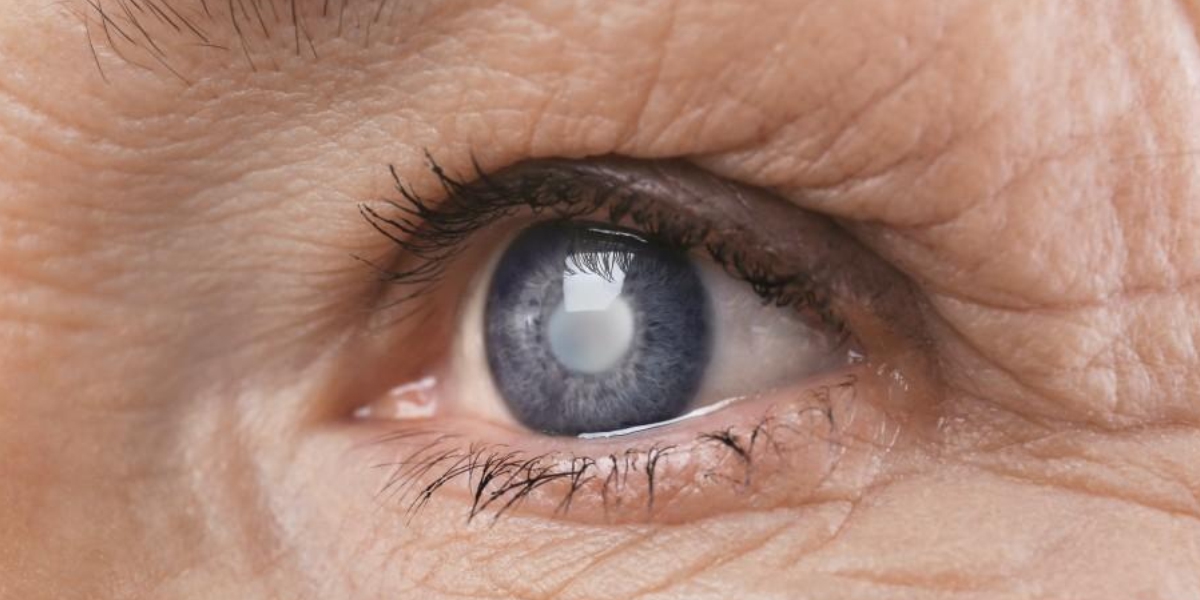
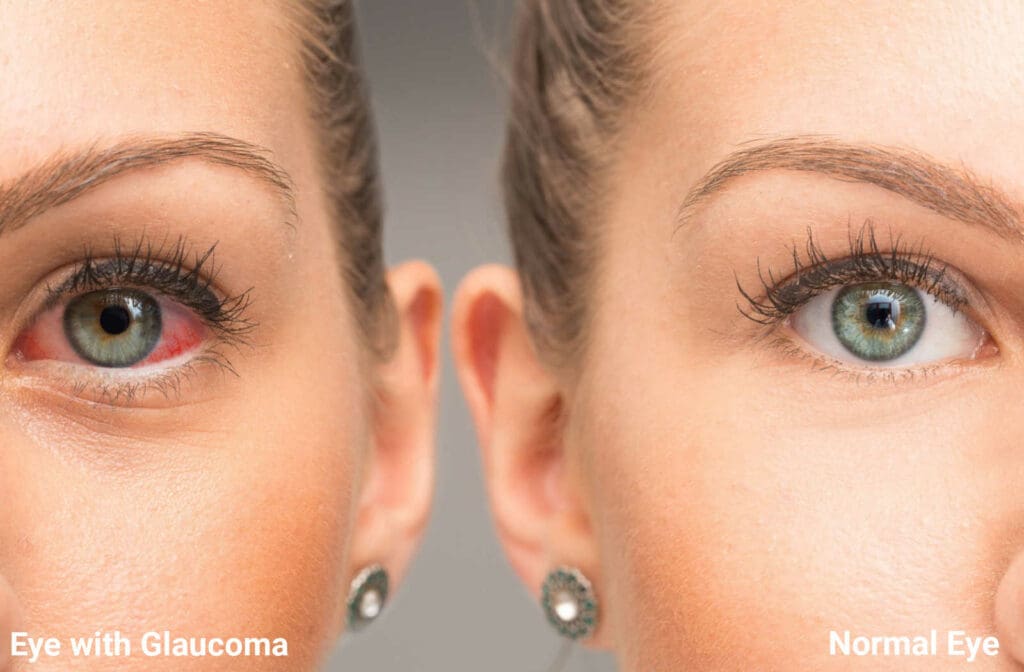
Glaucoma typically affects peripheral vision first, often going unnoticed without clinical testing.
The "Silent" Condition
Most types of glaucoma provide no warning signs. The effect is so gradual that you may not notice a change in vision until the condition is in its advanced stages. This makes regular eye examinations, including eye pressure (IOP) measurement, vital.
Why Screening Matters
Damage caused by glaucoma cannot be reversed. However, treatment and regular checkups can help slow or prevent vision loss, especially if caught early.
Treatment & Management
Our approach focuses on lowering eye pressure to a "target level" that is safe for your optic nerve.
Eye Drops
The most common first step. Medicated eye drops help either by improving how fluid drains from your eye or by decreasing the amount of fluid your eye makes.
Laser Procedures
Techniques like Selective Laser Trabeculoplasty (SLT) can be used to help fluid drain out of the eye, often reducing the need for daily drops.
Surgical Care
In advanced cases, surgery may be necessary to create a new drainage pathway for the eye fluid to lower the pressure effectively.
State-of-the-Art Diagnostics
We use advanced imaging like OCT (Optical Coherence Tomography)to map the optic nerve in microns, allowing us to detect changes much earlier than standard vision tests.